

Thoughts and ideas shared in blog form here…
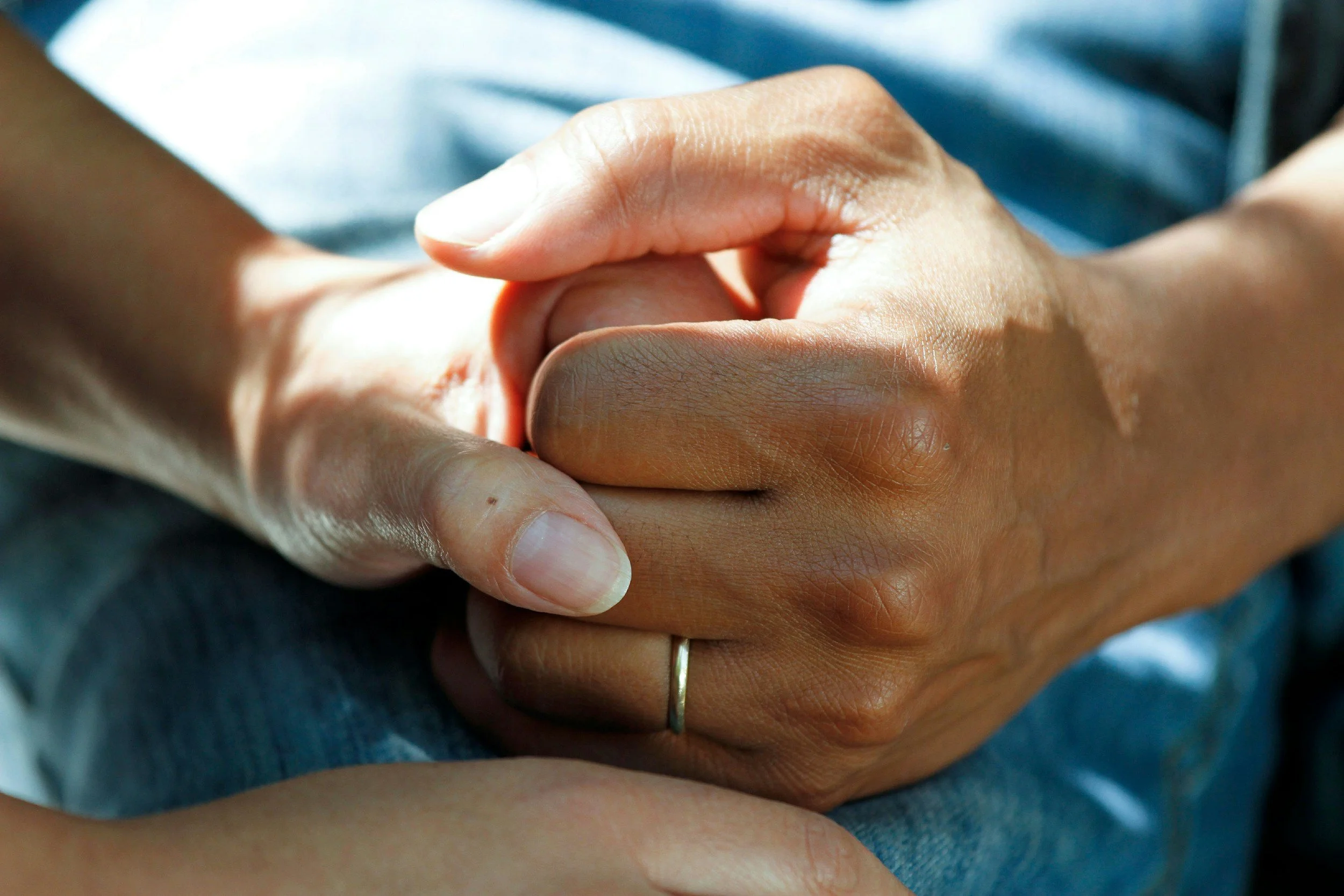
Who Gets to Care at the End of Life?
Long before it had a name, people have been supporting one another through life’s most profound transitions; birth, death and everything in between. These roles were held within communities: by family members, neighbours, elders and those who, through lived experience, became skilled in offering care, presence and guidance at the end of life. This wasn’t seen as specialised work. It was simply part of being human.
Over time, much of this care shifted out of the home and into institutions. Death, like birth before it, became increasingly medicalised and professionalised. What was once held collectively was gradually handed over to hospitals, care systems and the funeral industry.
Image credit: Squarespace stock image

Do ‘good’ endings matter?
I think as a society we’ve trained ourselves to push past endings as quickly as possible and focus our sights on the new beginnings ahead. Whether it’s the experience of job losses, losing a home, a business, the end of a cherished relationship or long-held dreams, it’s all part of life.
Image credit: Squarespace stock image

What, exactly, is the role of a death doula?
The role of a doula is nothing new. For as long as humans have lived in community, there have been those who quietly and steadfastly walked alongside others through life’s most profound thresholds. Just as every village had a healer or spiritual guide, there were always people, often women, who knew how to tend to a birthing mother, or how to sit with the dying, offering comfort, practical support and a steady presence. These were community roles, passed down through observation, experience and care, rather than through formal qualifications. They belonged to the fabric of daily life, woven into the rhythms of birth, death, and everything in between.
Image credit: Squarespace stock image