
What is a Memento Mori Walk?
Anyone who knows me, knows I enjoy a good walk through a cemetery from time to time. Whenever I visit a new place, I’m always on the hunt for an interesting burial site or unique headstone. There is just something different about walking through a cemetery.
At first, you might notice the obvious things: the gravestones, the names, the dates, the flowers left by people who still miss those whose names are carved into the stone. But if you slow down, there is much more to see. The architecture. The trees. The ivy and brambles spreading across old memorials. The birds moving through the branches. The changing seasons. The stories contained within a single row of graves. And then there is the thought that everyone you are walking amongst once had a life remarkably like your own. They had people they loved. Places they went. Things they worried about. Plans for the future. Ordinary mornings and extraordinary days. They were alive, until they weren't.
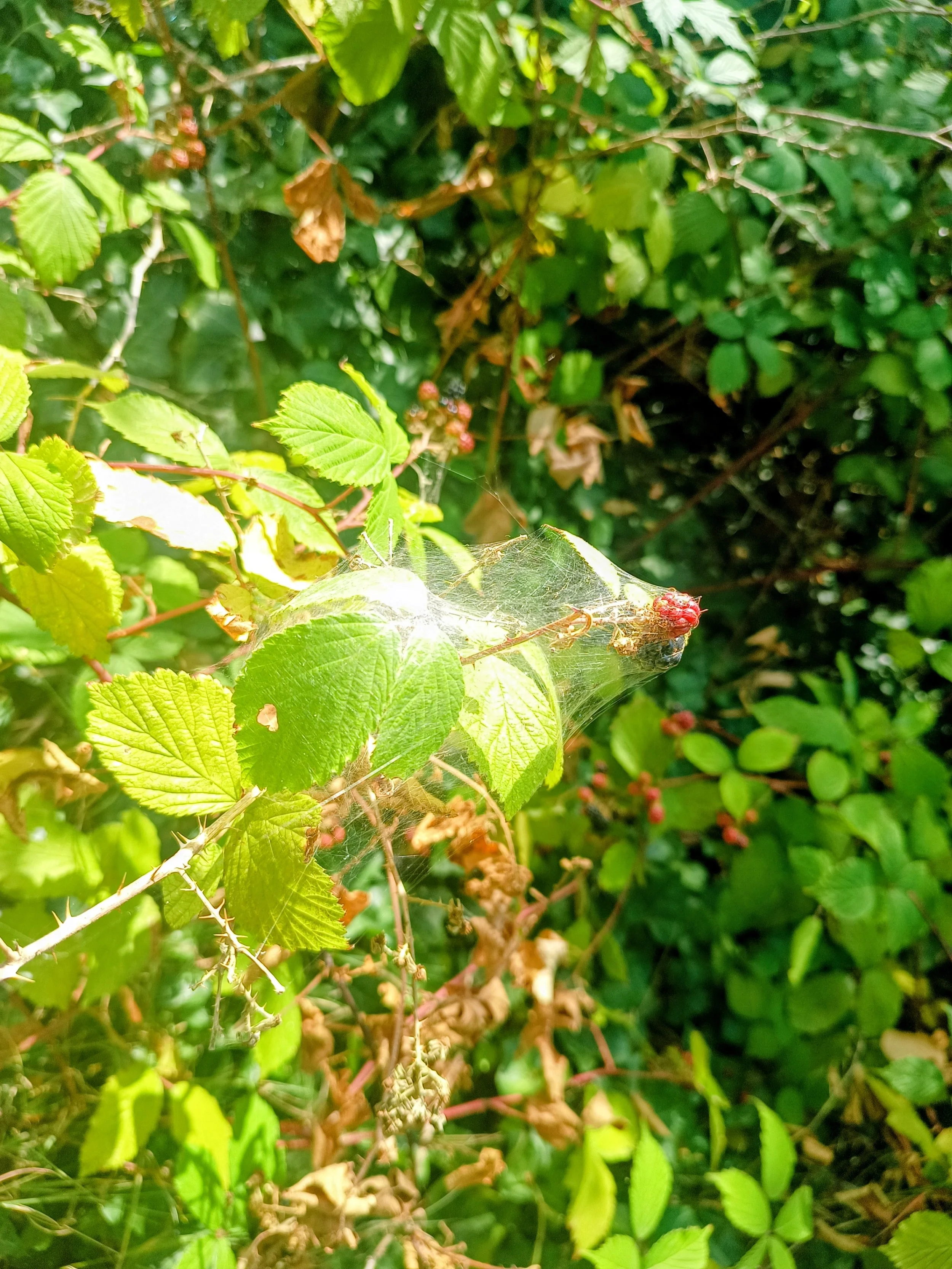
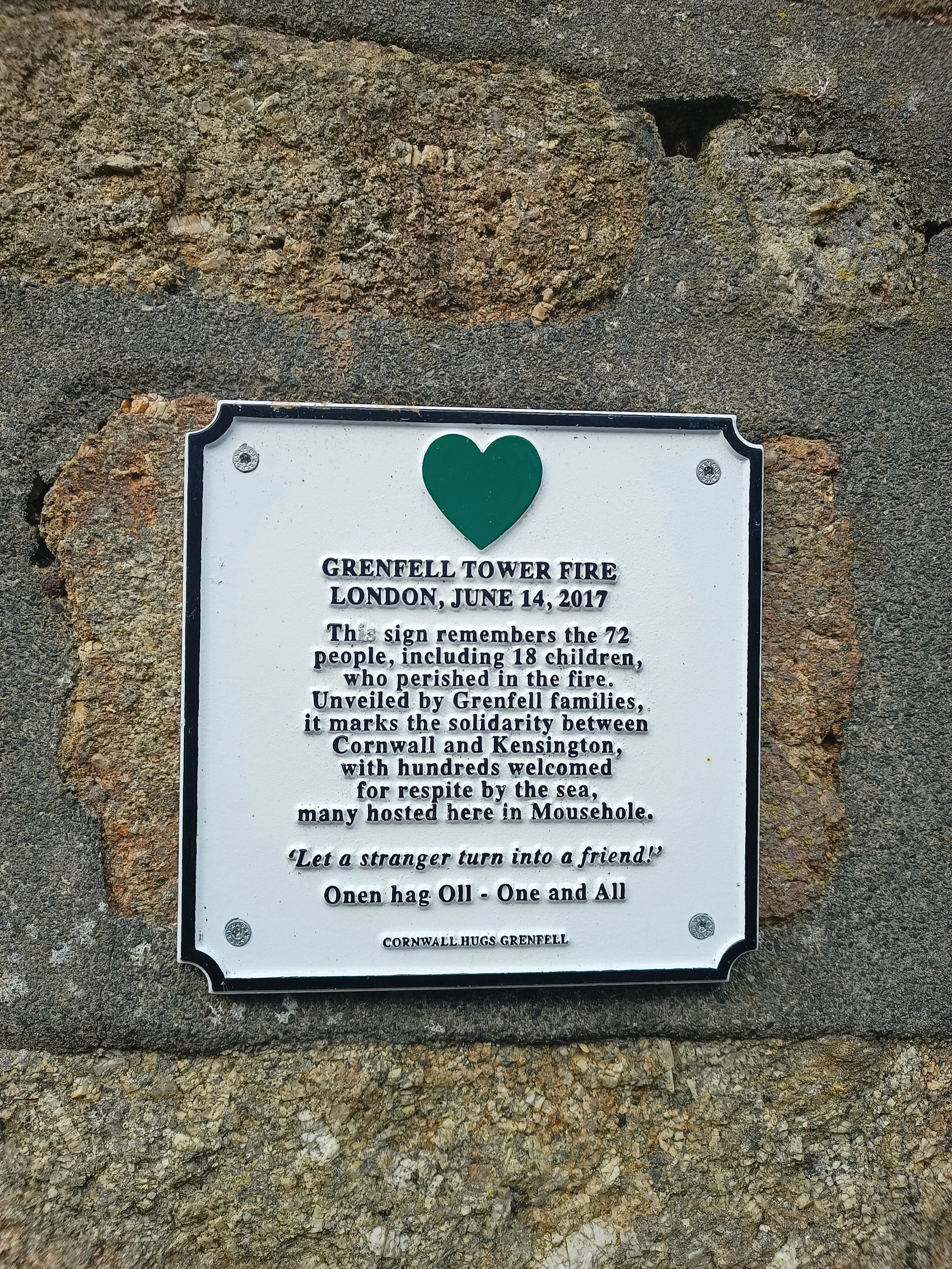
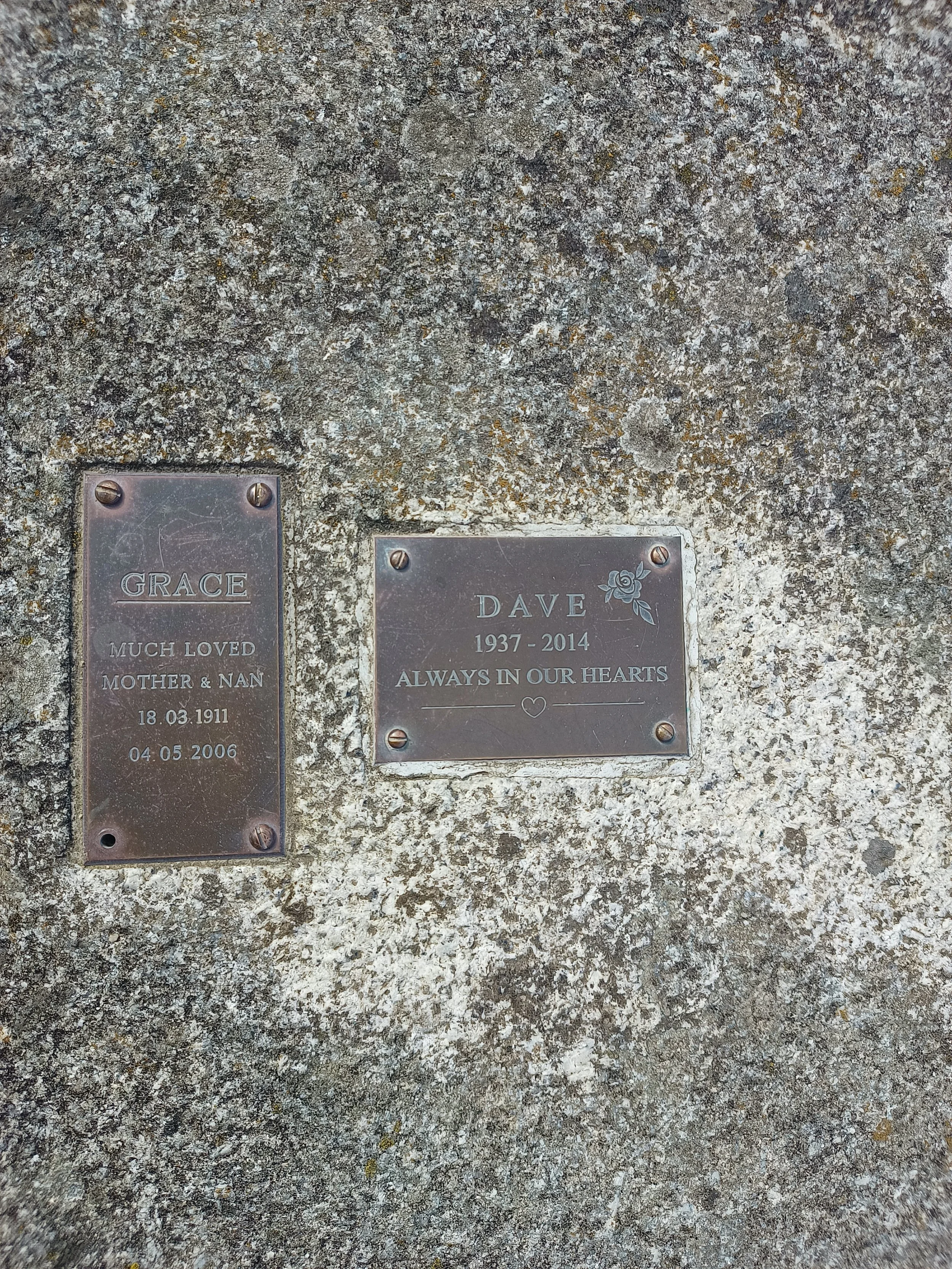
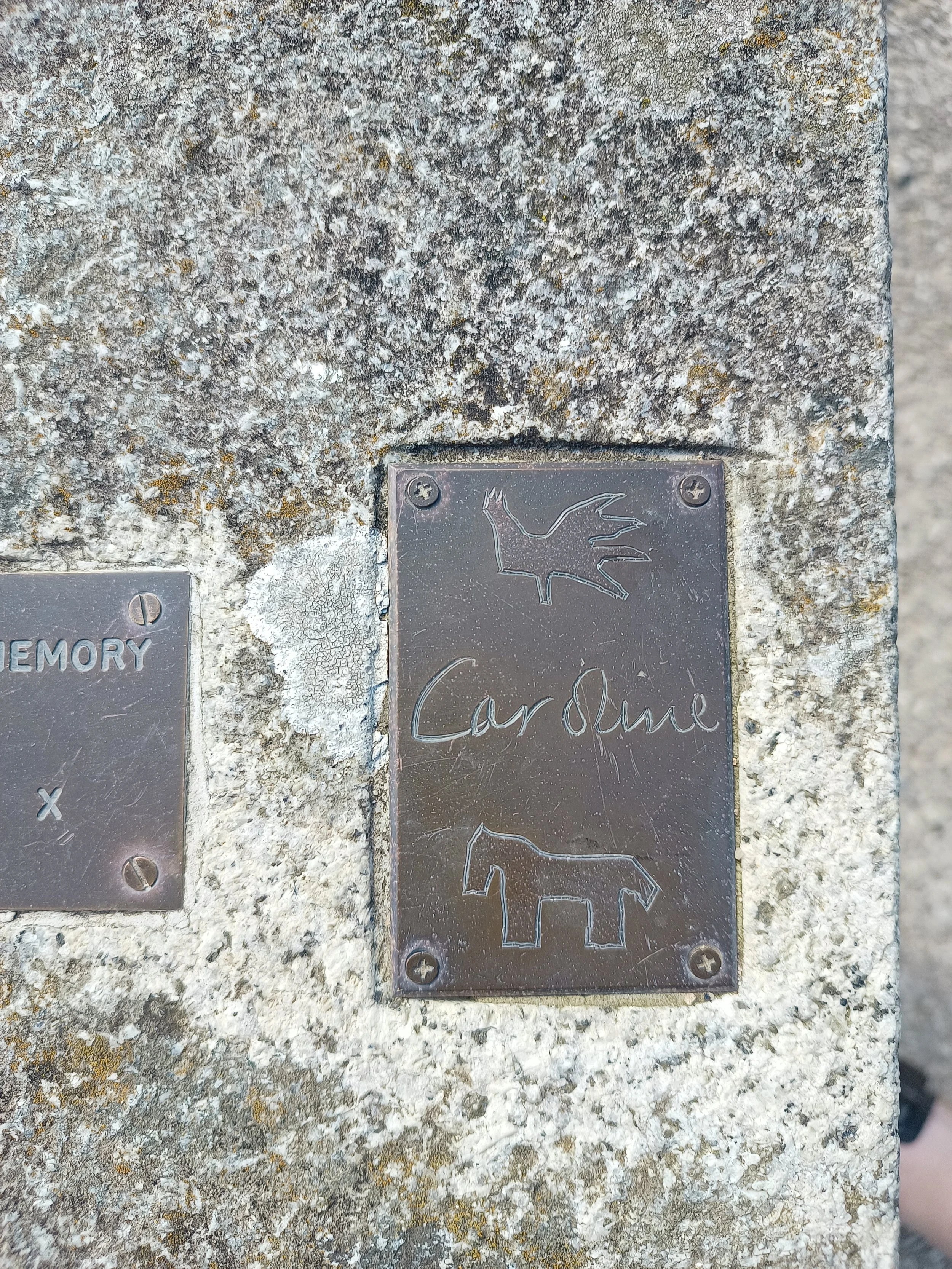
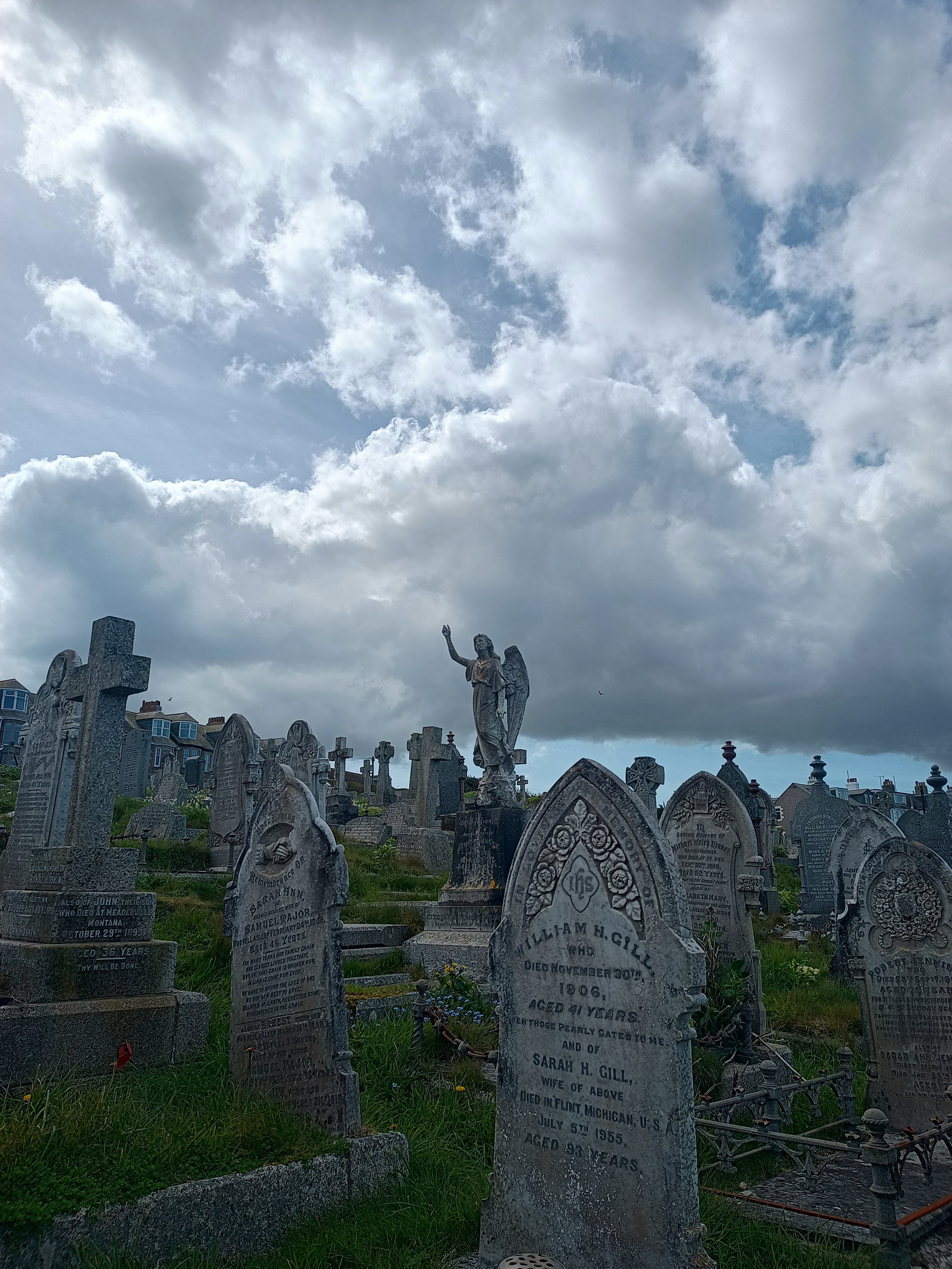
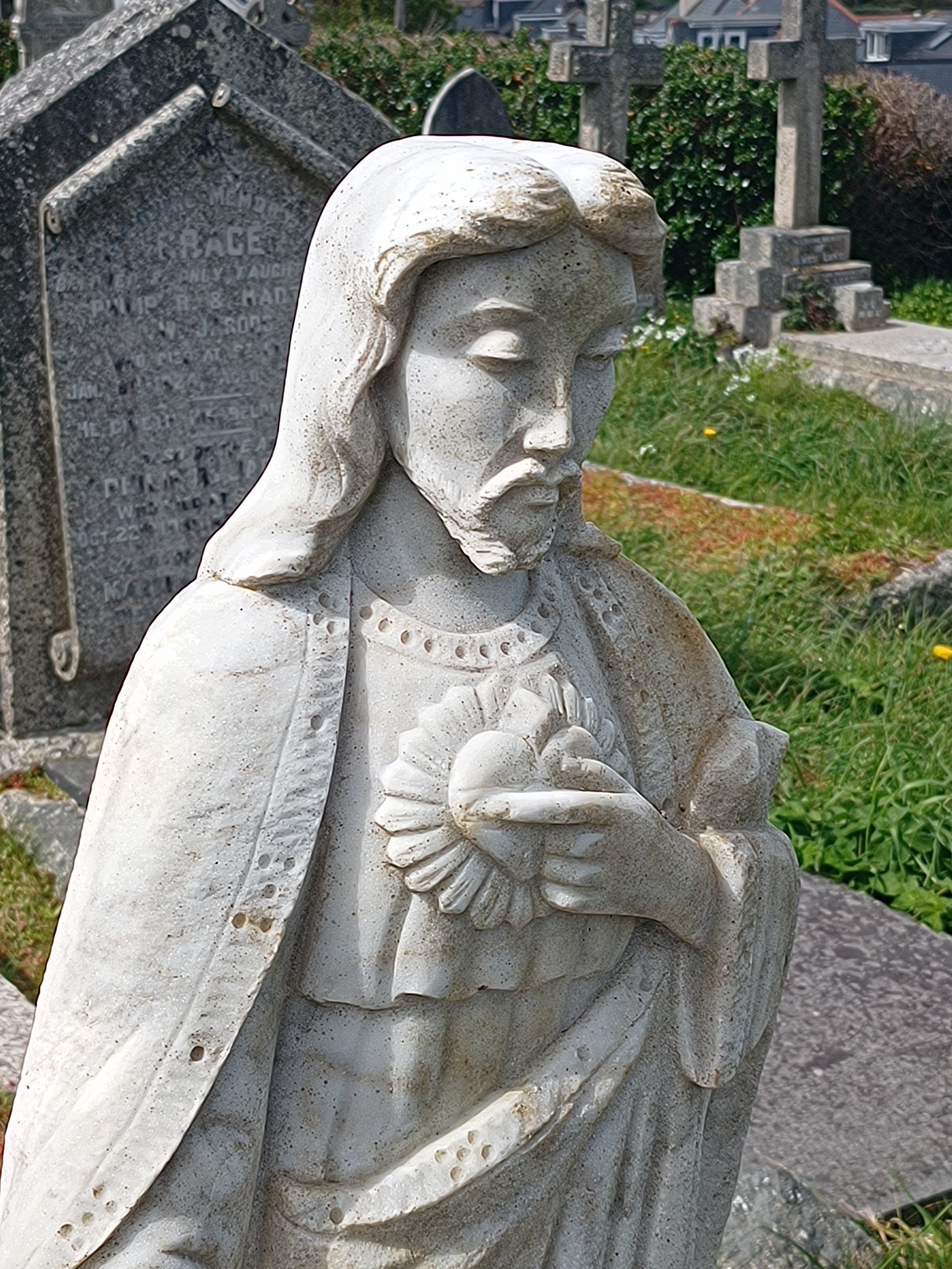
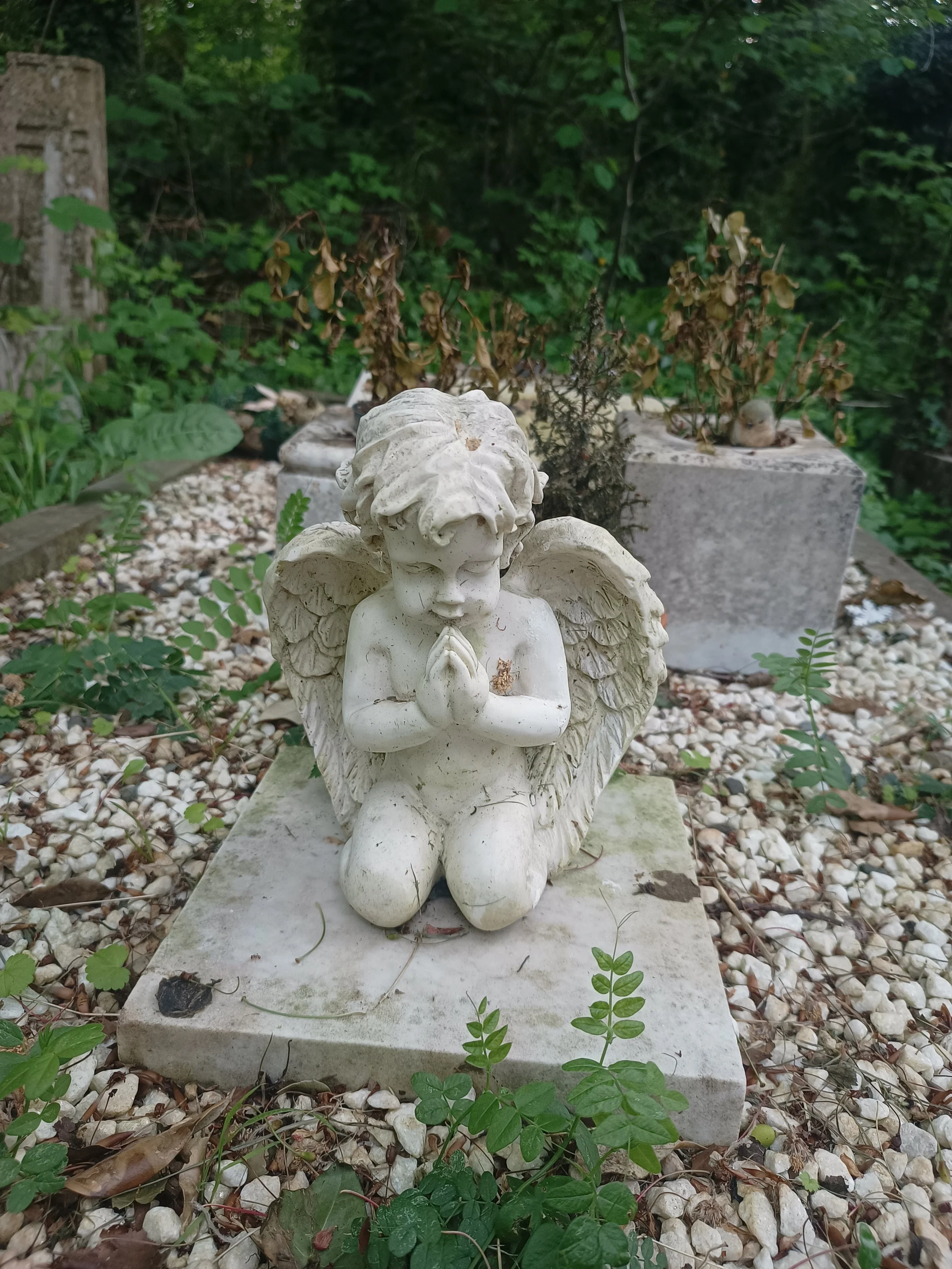
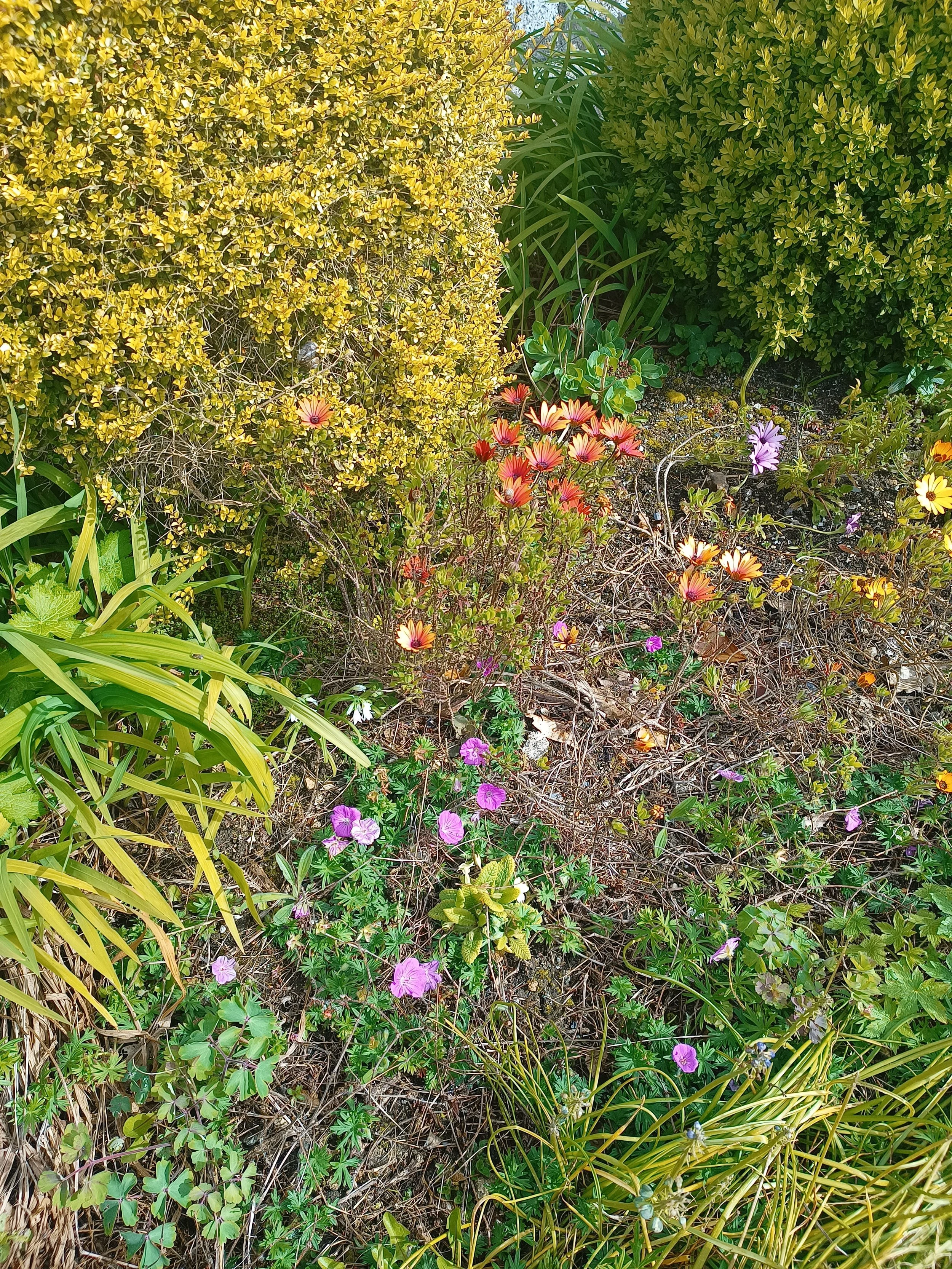
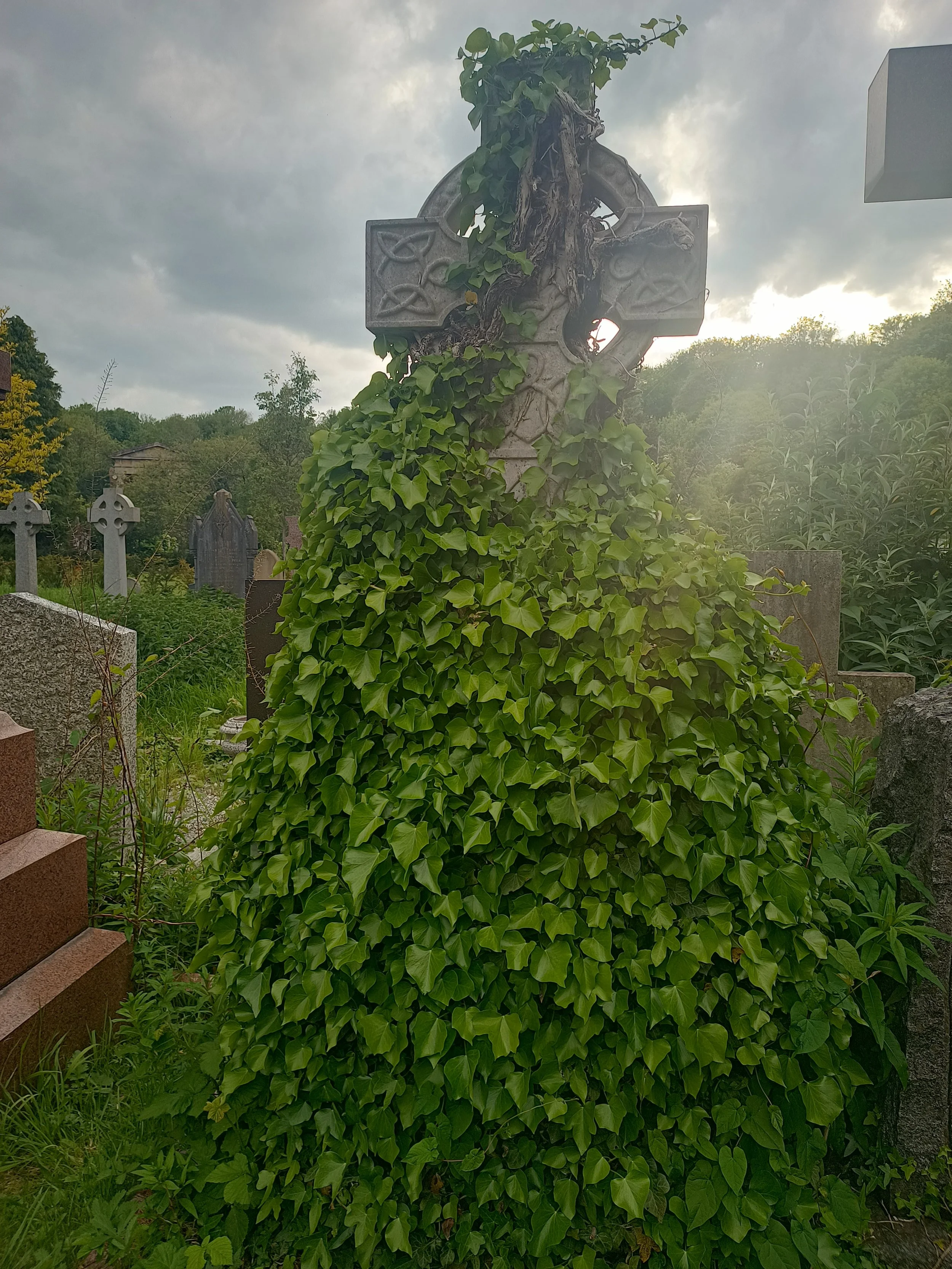
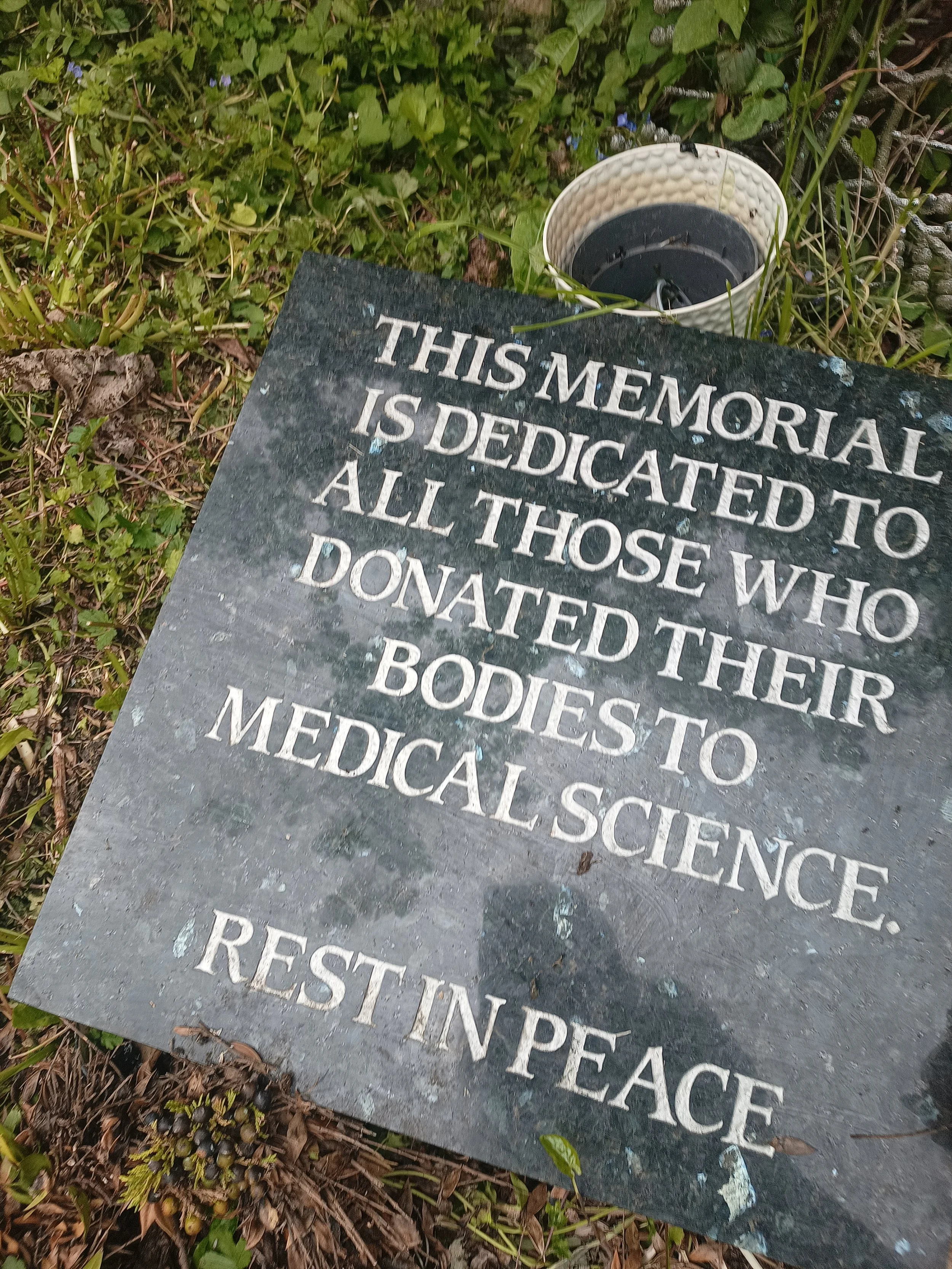
Images from various cemeteries and memorial sites visited this past year in the UK.
This is where the idea of a memento mori walk begins.
Memento moriis a Latin phrase meaning "remember that you must die." It comes from a long tradition of keeping mortality within our awareness, and for centuries it has appeared in art, literature, religious objects, jewellery and memorials.
You might recognise the imagery even if you weren’t familiar with the term: skulls, hourglasses, extinguished candles, wilting flowers, fruit beginning to decay. These became familiar symbols in European art, particularly in the sixteenth and seventeenth centuries. The vanitas still-life tradition placed beautiful and desirable things alongside reminders of their impermanence: books, musical instruments and precious objects might appear beside a skull or a candle that has gone out. The National Gallery describes these images as reminders that death ultimately brings an end to worldly achievement.
The message wasn't simply "you are going to die." It was also, “remember that your time is limited.”
There is something rather compelling about that distinction. Memento mori doesn't have to be a morbid fascination with death. It can be an invitation to pay closer attention to life. And that is what a memento mori walk is for me. It is simply a walk taken with an awareness of mortality.
How to Memento Mori
There is no special ritual you have to follow and no particular kind of place you need to go. You might walk along the coast, through woodland, around a park or simply through the streets where you live. You might walk alone or with someone else. You might spend twenty minutes walking around the block or an afternoon exploring a cemetery.
Most of us are very good at living as though there will always be more time. We make plans for next week, next year and the next decade. We put off the phone call, the walk, the afternoon in the garden, the conversation we have been meaning to have. We become absorbed in work and chores and whatever happens to be demanding our attention that day.
A memento mori walk creates a little interruption in all of that. It gives us an opportunity to step out of the momentum of everyday life and asks us to notice and be curious with the outside world. Walking is a surprisingly effective way of creating space for this kind of reflection. There is enough movement to occupy the body, but not so much concentration required that we cannot let our minds wander. By now we all know that studies show walking in nature is associated with significant reductions in symptoms of both depression and anxiety.
But you don't need a scientific reason to go for a walk in nature. There is something about being amongst trees, beside water or simply noticing the changing seasons that makes it easier to step out of our heads and into the world around us. A memento mori walk invites you to notice things you might normally pass without seeing. As I walk, I notice the decaying leaves on the ground, the spider’s web catching the light, the warmth of the sun on my face and there is something about being present in this way that allows me to connect with gratitude and ultimately feels rejuvenating. These are very ordinary things, but perhaps that’s the point.
We don't have to be constantly chasing extraordinary experiences or waiting for something important to happen before we allow ourselves to appreciate being alive. Sometimes being alive is simply noticing the sunlight through the trees.
Nature also offers us a particularly gentle way of thinking about mortality. It is full of cycles that we can observe without needing to intellectualise them. Things grow, bloom, ripen, wither, fall, decay and become part of something else. A fallen tree becomes habitat. Leaves become soil. Seeds wait for another season.
Death isn't separate from nature. It is part of it. The noticing and acknowledging the life cycles around me brings me a greater sense of appreciation, pleasure and joy in the here and now. And, is practice for becoming more comfortable with my mortality.
And then there are cemeteries.
For me, cemeteries are some of the most fascinating places to take a memento mori walk, because they give us another way of thinking about mortality. They aren't simply places where people have been buried. They can be beautiful landscapes, places of remembrance, outdoor archives and collections of architecture and sculpture.
Historic cemeteries can tell us an extraordinary amount about the people and communities that came before us. Gravestones carry names, dates, relationships and stories. Their inscriptions reveal what people wanted to remember. Their symbols tell us something about changing attitudes towards death. The buildings, pathways, trees and monuments reveal something about the time and place in which they were created.
As we read inscriptions and take in the historical accounts of those under our feet, the cemetery becomes less like a place full of strangers and more like a collection of human stories. It can also be a place where nature is doing what nature does: trees grow around graves, moss covers stone, birds nest in branches, wildflowers emerge between paths, old memorials weather slowly over decades. Everything is changing. Everything is passing. And you are passing through it too.
A memento mori walk isn't about forcing ourselves to contemplate death for an hour. It isn't about becoming frightened by our mortality or turning every walk into a profound philosophical exercise. It is about noticing and appreciating the simple, fleeting pleasures of this life.
So the next time you have an hour to spare, leave your phone in your pocket, put on your shoes and go for a walk. Walk slowly, look closely and notice what is alive around you. If you pass a cemetery, go in. Read a few names. Notice the old stones. Wonder about the people whose lives are recorded there.
And then turn your attention back to yourself. Feel your feet on the ground. Notice your breath. Look at the sky. Listen to the world around you. Remember that you are one of the living. And perhaps, for a little while, that will be enough.
Receive one email a month with the most recent blog posts and upcoming gatherings and events you want to know about. Sign up to the This Mortal Life mailing list and join our community to stay connected. It’s free, and it’s a lovely community to be connected to. Join us!
